Buy simcards.eu ?
We are moving the project
simcards.eu .
Are you interested in purchasing the domain
simcards.eu ?
domain@kv-gmbh.de · 0541-91531010
Buy simcards.eu ?
At what RPM should one shift up?
The ideal RPM to shift up will vary depending on the specific vehicle and driving conditions. However, a general rule of thumb is to shift up when the engine is reaching around 2500-3000 RPM for normal driving. This helps to maintain fuel efficiency and reduce engine wear. It's important to pay attention to the specific recommendations in the vehicle's manual and to adjust based on the driving situation, such as towing or driving on steep inclines. **
Why do motorcycle engines rev up to 20,000 RPM and cars only up to a maximum of 6,000 RPM?
Motorcycle engines rev up to 20,000 RPM because they are designed to be lightweight and compact, allowing them to spin at higher speeds. This high RPM allows motorcycles to achieve higher power outputs and faster acceleration. On the other hand, car engines are designed for a balance of power, fuel efficiency, and durability, so they are typically larger and heavier, which limits their ability to rev up to the same high RPM as motorcycle engines. Additionally, cars have more gears and a wider power band, so they do not need to rev as high to achieve the same level of performance. **
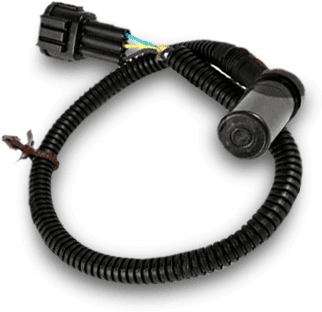

Similar search terms for AUTLOG-AS4676-RPM-Sensor
Top-Angebote
Products related to AUTLOG-AS4676-RPM-Sensor:
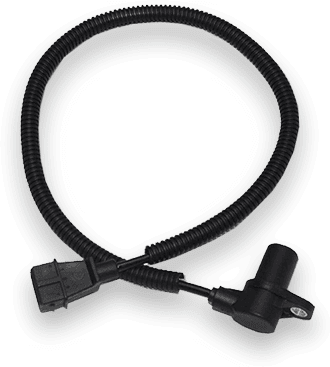

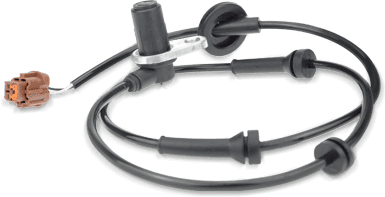
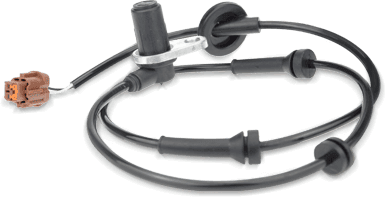
-
What saves fuel: Accelerating quickly at high RPM or slowly at low RPM?
Accelerating slowly at low RPM saves fuel compared to accelerating quickly at high RPM. When you accelerate quickly at high RPM, the engine has to work harder and consumes more fuel to generate the power needed for acceleration. On the other hand, accelerating slowly at low RPM allows the engine to operate more efficiently and consume less fuel. Additionally, accelerating slowly can also reduce wear and tear on the engine components, leading to potential long-term fuel savings. **
-
What saves fuel: Accelerating quickly with high RPM or slowly with low RPM?
Accelerating slowly with low RPM saves fuel compared to accelerating quickly with high RPM. When you accelerate quickly, the engine has to work harder and burn more fuel to reach higher speeds. On the other hand, accelerating slowly with low RPM allows the engine to operate more efficiently and consume less fuel. Additionally, maintaining a steady speed once you reach your desired velocity can also help save fuel. **
-
How many RPM are okay?
The appropriate RPM (revolutions per minute) for a vehicle can vary depending on the make and model. However, a general guideline is to aim for around 2,000-3,000 RPM while driving at highway speeds. This range allows the engine to operate efficiently without putting too much strain on it. It's important to consult your vehicle's manual for specific recommendations on RPM levels. **
-
Is RPM or APT better?
The choice between RPM and APT often comes down to personal preference and the specific Linux distribution being used. RPM is the package manager used by Red Hat-based distributions like Fedora and CentOS, while APT is used by Debian-based distributions like Ubuntu. Both package managers have their strengths and weaknesses, so it ultimately depends on the user's familiarity with the system and the specific needs of the project. **


What saves fuel: Accelerating quickly at high RPM or accelerating slowly at low RPM?
Accelerating slowly at low RPM saves fuel compared to accelerating quickly at high RPM. When you accelerate quickly at high RPM, the engine has to work harder and uses more fuel to generate the necessary power. On the other hand, accelerating slowly at low RPM allows the engine to operate more efficiently and consume less fuel. Additionally, rapid acceleration can also put more strain on the engine and other components, leading to increased fuel consumption and potential maintenance costs in the long run. **
Why don't cars have engine speeds up to 30000 rpm?
Cars don't have engine speeds up to 30000 rpm because it would require extremely high engine speeds to achieve that level, which would put a lot of stress on the engine components and lead to excessive wear and tear. Additionally, the fuel consumption would be very high at such high engine speeds, making it impractical for everyday use. Furthermore, the noise and vibration levels would be excessive, making for a very uncomfortable driving experience. Therefore, car engines are designed to operate at lower, more efficient speeds for the best balance of performance, fuel efficiency, and durability. **
Top-Angebote
Products related to AUTLOG-AS4676-RPM-Sensor:
-
At what RPM should one shift up?
The ideal RPM to shift up will vary depending on the specific vehicle and driving conditions. However, a general rule of thumb is to shift up when the engine is reaching around 2500-3000 RPM for normal driving. This helps to maintain fuel efficiency and reduce engine wear. It's important to pay attention to the specific recommendations in the vehicle's manual and to adjust based on the driving situation, such as towing or driving on steep inclines. **
-
Why do motorcycle engines rev up to 20,000 RPM and cars only up to a maximum of 6,000 RPM?
Motorcycle engines rev up to 20,000 RPM because they are designed to be lightweight and compact, allowing them to spin at higher speeds. This high RPM allows motorcycles to achieve higher power outputs and faster acceleration. On the other hand, car engines are designed for a balance of power, fuel efficiency, and durability, so they are typically larger and heavier, which limits their ability to rev up to the same high RPM as motorcycle engines. Additionally, cars have more gears and a wider power band, so they do not need to rev as high to achieve the same level of performance. **
-
What saves fuel: Accelerating quickly at high RPM or slowly at low RPM?
Accelerating slowly at low RPM saves fuel compared to accelerating quickly at high RPM. When you accelerate quickly at high RPM, the engine has to work harder and consumes more fuel to generate the power needed for acceleration. On the other hand, accelerating slowly at low RPM allows the engine to operate more efficiently and consume less fuel. Additionally, accelerating slowly can also reduce wear and tear on the engine components, leading to potential long-term fuel savings. **
-
What saves fuel: Accelerating quickly with high RPM or slowly with low RPM?
Accelerating slowly with low RPM saves fuel compared to accelerating quickly with high RPM. When you accelerate quickly, the engine has to work harder and burn more fuel to reach higher speeds. On the other hand, accelerating slowly with low RPM allows the engine to operate more efficiently and consume less fuel. Additionally, maintaining a steady speed once you reach your desired velocity can also help save fuel. **
Similar search terms for AUTLOG-AS4676-RPM-Sensor
-
How many RPM are okay?
The appropriate RPM (revolutions per minute) for a vehicle can vary depending on the make and model. However, a general guideline is to aim for around 2,000-3,000 RPM while driving at highway speeds. This range allows the engine to operate efficiently without putting too much strain on it. It's important to consult your vehicle's manual for specific recommendations on RPM levels. **
-
Is RPM or APT better?
The choice between RPM and APT often comes down to personal preference and the specific Linux distribution being used. RPM is the package manager used by Red Hat-based distributions like Fedora and CentOS, while APT is used by Debian-based distributions like Ubuntu. Both package managers have their strengths and weaknesses, so it ultimately depends on the user's familiarity with the system and the specific needs of the project. **
-
What saves fuel: Accelerating quickly at high RPM or accelerating slowly at low RPM?
Accelerating slowly at low RPM saves fuel compared to accelerating quickly at high RPM. When you accelerate quickly at high RPM, the engine has to work harder and uses more fuel to generate the necessary power. On the other hand, accelerating slowly at low RPM allows the engine to operate more efficiently and consume less fuel. Additionally, rapid acceleration can also put more strain on the engine and other components, leading to increased fuel consumption and potential maintenance costs in the long run. **
-
Why don't cars have engine speeds up to 30000 rpm?
Cars don't have engine speeds up to 30000 rpm because it would require extremely high engine speeds to achieve that level, which would put a lot of stress on the engine components and lead to excessive wear and tear. Additionally, the fuel consumption would be very high at such high engine speeds, making it impractical for everyday use. Furthermore, the noise and vibration levels would be excessive, making for a very uncomfortable driving experience. Therefore, car engines are designed to operate at lower, more efficient speeds for the best balance of performance, fuel efficiency, and durability. **
* All prices are inclusive of VAT and, if applicable, plus shipping costs. The offer information is based on the details provided by the respective shop and is updated through automated processes. Real-time updates do not occur, so deviations can occur in individual cases. ** Note: Parts of this content were created by AI.